WordPress Button Plugins: When You Actually Need One
Some links on this page are affiliate links. If you buy through one, WPNeon earns a commission at no extra cost to you. See how we review.
You probably don’t need a button plugin. WordPress has a built-in Buttons block for linking to products, newsletter forms or contact pages. Install another plugin only when you need reusable button designs across many posts, legacy shortcodes, or a specific layout your existing editor cannot create.
Choose your button workflow
One or two calls to action: the native Buttons block. Reusable visual styles and shortcodes: MaxButtons. Many extra Gutenberg design blocks: Stackable. Existing shortcode-heavy site: Shortcodes Ultimate. Already using Elementor: try its button widget before adding a new plugin.
Four approaches compared
| Option | Use it when | Trade-off |
|---|---|---|
| WordPress Buttons block | Basic and styled CTA links | Some style controls depend on your theme. |
| MaxButtons | Reusable styled buttons with shortcodes | Extra plugin and shortcode dependency. |
| Stackable | You also need advanced block layouts | More functionality than a single CTA requires. |
| Shortcodes Ultimate | Maintaining a shortcode-based site | Assess what remains after deactivation. |
1. The WordPress Buttons block: start here
In a paragraph, type /buttons or select Buttons using the block inserter. Add button text and a destination, then adjust styles, colors, padding and alignment using your theme’s available controls. WordPress’s current documentation explains the button container, individual button settings and link-relation field. You can place multiple related actions side by side without downloading a plugin.
2. MaxButtons: custom buttons you reuse
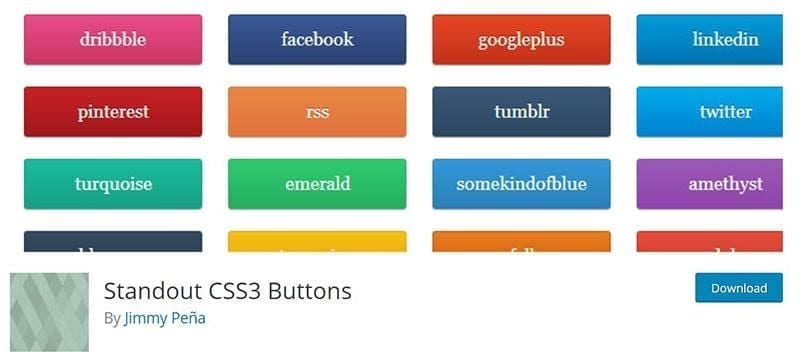
MaxButtons offers a visual editor, reusable button designs and shortcode insertion. It fits sites that want standardized designs in older posts or builders, but check how you would migrate those shortcodes if you stop using it. Review the current plugin and Pro feature list rather than relying on old installation counts.
3. Stackable: buttons within a larger block toolkit

Stackable extends the Gutenberg editor with design blocks. If you also need layout sections and other content elements, inspect its current features. For an occasional purchase button, the core block is a simpler choice.
4. Shortcodes Ultimate: for existing shortcode workflows
Shortcodes Ultimate supplies more than button designs. It can be relevant when your content already uses its shortcodes, but adding them to every new post creates a migration dependency. Review its live documentation and features before installing it just for buttons.
What makes a CTA useful?
- Describe the action: “See the theme demo” is clearer than “Click here.”
- Keep the destination accurate: a demo button should open a demo, not a generic vendor homepage.
- Prioritize readability: sufficient contrast, visible keyboard focus and comfortable tap targets matter more than dozens of animations.
- Disclose affiliate links: use an appropriate visible disclosure and a
sponsoredrelationship for paid destinations. - Measure outcomes: compare completed signups or qualified outbound clicks, not only how many buttons you added.
Need targeted signup forms or timed offers rather than a standard link? Compare WordPress popup tools as a separate decision.
